
A Guide to the Different Types of Vinyl Used in Signwriting
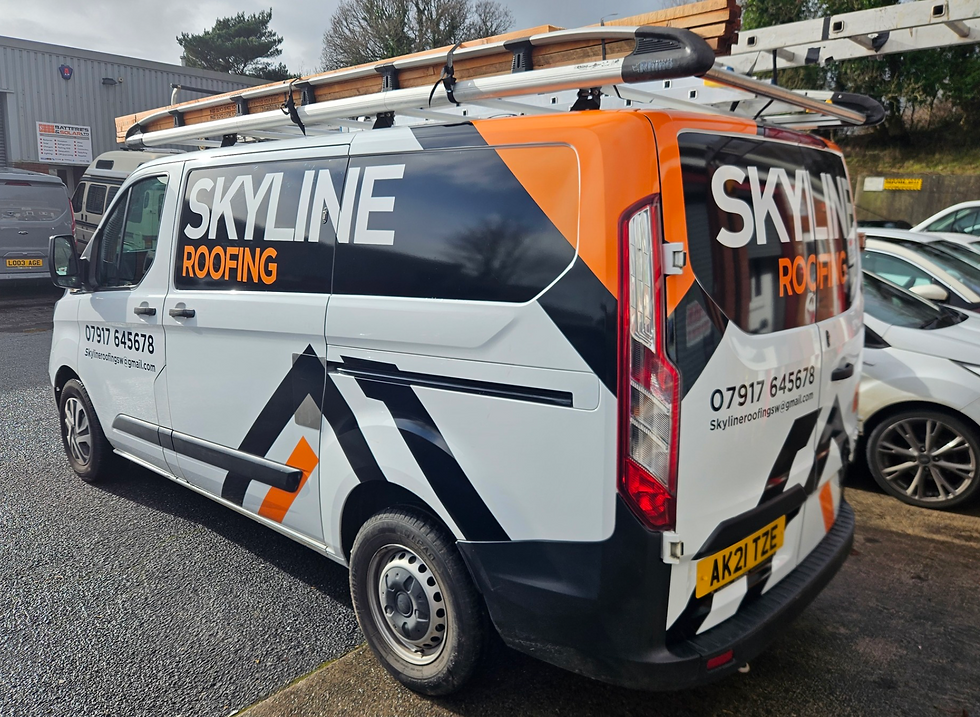
Vinyl is the backbone of modern signwriting. Whether we are producing vehicle graphics, shopfront signage, window decals, or wall lettering, choosing the right
vinyl makes all the difference in durability, appearance, and ease of installation.
In this guide, we’ll break down the most common types of vinyl used in signwriting and explain when we use each one.
1. Monomeric Vinyl
Monomeric vinyl is the most economical option and is typically used for short-term applications.
Key Features:
Budget-friendly
Suitable for flat surfaces
Short to medium lifespan (usually up to 3 years outdoors)
Minimal flexibility
Best For:
Temporary promotions
Event signage
Indoor graphics
Flat boards or panels
Because it has limited flexibility, monomeric vinyl is not suitable for curved or uneven surfaces. Over time, it may shrink slightly, especially in outdoor conditions.
2. Polymeric Vinyl
Polymeric vinyl is a mid-range option that offers improved durability and flexibility compared to monomeric vinyl.
Key Features:
Better dimensional stability
Suitable for slightly curved surfaces
Medium to long-term durability (5–7 years outdoors)
More resistant to shrinkage
Best For:
Outdoor shop signs
Window graphics
Vehicle decals (flat or mildly curved panels)
Long-term promotional signage
Polymeric vinyl is a popular choice for businesses wanting a balance between cost and longevity.
3. Cast Vinyl
Cast vinyl is the premium option in signwriting. It is manufactured using a casting process, which makes it thinner, more flexible, and more durable.
Key Features:
Extremely conformable
Long lifespan (7–10+ years outdoors)
Excellent colour stability
Minimal shrinkage
Best For:
Vehicle wraps
Fleet graphics
Deep curves and rivets
High-end exterior signage
Cast vinyl is the go-to choice for vehicle wrapping projects because it conforms easily to complex shapes without lifting or shrinking.
4. Calendared Vinyl
Calendared vinyl is produced by rolling and stretching the material through large rollers. Both monomeric and polymeric vinyl fall under this category.
Key Features:
Thicker than cast vinyl
More cost-effective
Suitable for flat or slightly curved surfaces
Best For:
General signage
Banners
Window decals
Short-to-medium term applications
While not as conformable as cast vinyl, calendared vinyl works perfectly for many everyday signwriting jobs.
5. Specialty Vinyl
Beyond standard coloured vinyl, there are specialty options designed for specific applications.
Types of Specialty Vinyl Include:
Frosted/Etch Effect Vinyl – Ideal for privacy glass
Reflective Vinyl – Used for safety and vehicle markings
Metallic Vinyl – Adds a premium finish
Fluorescent Vinyl – High visibility signage
Printable Vinyl – Designed for eco-solvent, solvent, latex, or UV printing
These options allow Graphicomm to achieve unique finishes and functional results depending on our client’s needs.
6. Heat Transfer Vinyl (HTV)
Although not used for rigid signs, Heat Transfer Vinyl is commonly used in branded apparel.
Best For:
Workwear
Uniforms
Promotional clothing
HTV is applied using heat and pressure, bonding the vinyl to fabric.
Choosing the Right Vinyl
When selecting vinyl for a project we always consider:
Surface type (flat, curved, textured)
Indoor vs outdoor use
Expected lifespan
Budget
Environmental exposure (sunlight, moisture, temperature)
Using the wrong type of vinyl can lead to peeling, shrinking, fading, or premature failure — which would affect both our reputation and our client’s satisfaction.
Final Thoughts
Understanding the differences between monomeric, polymeric, cast, and specialty vinyl ensures we choose the right material for every signwriting job. While budget options may work for temporary signage, long-term or high-impact projects benefit greatly from higher-grade materials.
If you're unsure which vinyl suits your next project, always consult your supplier — and remember, quality materials are an investment in quality results.


Comments